Finding a Russian-Speaking Internal Medicine Doctor Near 94116

Key points
- Preventive Care: Routine physicals, vaccinations, and health screenings (blood pressure, cholesterol, cancer). Internists strictly follow evidence-based guidelines from organizations like the U.S. Preventive Services Task Force (USPSTF) to determine when you need colonoscopies, mammograms, bone density scans, or cardiovascular risk assessments.
- Management of Chronic Illnesses: Long-term care for conditions like diabetes, high blood pressure, and heart disease. This includes regular monitoring of HbA1c levels, lipid panels, renal function, and adjusting medications to prevent complications such as neuropathy, kidney disease, or stroke.
- Diagnosis of Complex Symptoms: Internists are skilled at solving diagnostic puzzles when patients present with multiple symptoms. Fatigue, unexplained weight loss, persistent joint pain, or gastrointestinal irregularities often require a systematic approach that internists are trained to execute efficiently.
- Referrals to Specialists: They connect you with specialists like cardiologists or endocrinologists and coordinate your care. A strong internist acts as the "quarterback" of your healthcare team, ensuring that recommendations from different specialists don't conflict and that your overall treatment plan remains cohesive.
- Patient Education: Helping you understand your health, medications, and necessary lifestyle changes. This includes nutritional counseling, stress management techniques, sleep hygiene optimization, and guidance on safe physical activity levels tailored to your medical history.
If you’re searching for an internal medicine doctor near the 94116 Russian communities in San Francisco, you’re looking for more than just medical expertise. You need a physician who provides excellent care while also speaking Russian and understanding your cultural background. The 94116 ZIP code, nestled in San Francisco’s Outer Sunset District, is home to a diverse and aging population with unique healthcare needs. Many residents in this area are navigating complex chronic conditions, require comprehensive preventive care, or simply want a primary care provider who can communicate without language barriers. This guide will help you navigate the process of finding the right doctor in the Sunset District of San Francisco, offering practical steps, medical insights, and local resources tailored to Russian-speaking patients.
What is an Internal Medicine Doctor?
Internal medicine doctors, also known as internists, are physicians specializing in the prevention, diagnosis, and treatment of diseases affecting adults. They are experts in managing both chronic conditions (like diabetes, hypertension, and heart disease) and acute illnesses. Unlike general practitioners or family physicians who may focus on broader age ranges, internists undergo three years of rigorous residency training exclusively in adult medicine. This specialized education equips them to handle multisystem diseases, complex polypharmacy regimens, and age-related physiological changes that commonly arise after age 30.
Internists often serve as primary care physicians, meaning they are your first point of contact for non-emergency medical care. They perform annual check-ups, manage medications, and coordinate your care with specialists. Many internists also work in hospital settings, managing acute admissions, though outpatient-focused internists build long-term relationships with patients through continuous monitoring and lifestyle counseling. Their training emphasizes diagnostic reasoning, allowing them to act as "medical detectives" when symptoms don't fit a straightforward pattern.
“The good physician treats the disease; the great physician treats the patient who has the disease.” – Sir William Osler, a founder of modern internal medicine.
Key services provided by internal medicine doctors include:
- Preventive Care: Routine physicals, vaccinations, and health screenings (blood pressure, cholesterol, cancer). Internists strictly follow evidence-based guidelines from organizations like the U.S. Preventive Services Task Force (USPSTF) to determine when you need colonoscopies, mammograms, bone density scans, or cardiovascular risk assessments.
- Management of Chronic Illnesses: Long-term care for conditions like diabetes, high blood pressure, and heart disease. This includes regular monitoring of HbA1c levels, lipid panels, renal function, and adjusting medications to prevent complications such as neuropathy, kidney disease, or stroke.
- Diagnosis of Complex Symptoms: Internists are skilled at solving diagnostic puzzles when patients present with multiple symptoms. Fatigue, unexplained weight loss, persistent joint pain, or gastrointestinal irregularities often require a systematic approach that internists are trained to execute efficiently.
- Referrals to Specialists: They connect you with specialists like cardiologists or endocrinologists and coordinate your care. A strong internist acts as the "quarterback" of your healthcare team, ensuring that recommendations from different specialists don't conflict and that your overall treatment plan remains cohesive.
- Patient Education: Helping you understand your health, medications, and necessary lifestyle changes. This includes nutritional counseling, stress management techniques, sleep hygiene optimization, and guidance on safe physical activity levels tailored to your medical history.
The Importance of Language & Cultural Understanding
Effective communication is vital in healthcare. When you and your doctor speak the same language, it reduces the risk of miscommunication about symptoms, medications, or treatment plans. This is why finding a doctor who speaks Russian can be so important for members of San Francisco's vibrant Russian-speaking community, particularly in areas like the Sunset District (94116). Medical terminology can be highly nuanced, and discussing sensitive health topics like mental health, sexual wellness, or end-of-life care is significantly easier in one's native tongue. Research consistently shows that language-concordant visits lead to higher patient satisfaction, fewer medication errors, and better adherence to prescribed therapies.
Russian Proverb: “Здоровье дороже богатства.”
Translation: “Health is more precious than wealth.”
Cultural competence goes beyond language. A Russian-speaking doctor near 94116 may better understand cultural nuances, from dietary preferences to attitudes about medicine, making you feel more comfortable and respected. Traditional dietary habits in many Russian-speaking households—such as high intake of preserved foods, root vegetables, fermented products like kvass, or specific herbal teas—can interact with medications or influence metabolic conditions like hypertension and hyperlipidemia. A culturally aware physician will respectfully discuss these habits, integrate them into your care plan when safe, and provide alternatives that honor your traditions while optimizing clinical outcomes. Additionally, cultural perspectives on stoicism or self-reliance can sometimes delay patients from seeking early intervention; a doctor familiar with these tendencies can proactively encourage preventive screenings without causing alarm.
Health Care in San Francisco’s 94116 Area (Sunset District)
The 94116 ZIP code covers much of the Sunset District, a diverse residential area near Ocean Beach and the San Francisco Zoo. Healthcare facilities in and around this area often provide multilingual services. The neighborhood's demographic makeup includes many immigrants, families, and seniors who benefit from accessible, community-focused medical centers. Healthcare facilities in and around this area often provide multilingual services. Major providers include:
- UCSF Health: A top-ranked hospital system with clinics serving the Sunset district. Their Find a Doctor page allows you to filter by language. UCSF also operates community health initiatives and often has dedicated patient navigators who can assist non-English speakers with scheduling, transportation, and insurance paperwork.
- Sutter Health (CPMC and Palo Alto Medical Foundation): Sutter Health's network has numerous clinics, and their online Find a Doctor tool also includes a language filter. Sutter’s local outpatient centers in the Sunset frequently host Russian-speaking internists and offer comprehensive diagnostic imaging on-site, reducing the need for multiple travel days across the city.
- Kaiser Permanente San Francisco: Members can use Kaiser's directory or call member services to find a Russian-speaking doctor. Kaiser provides free interpreter services for members. Kaiser's integrated electronic health record (EHR) system ensures that your lab results, specialist notes, and medication history are seamlessly shared across all your providers, which is particularly valuable for managing multiple chronic conditions.
Even if a physician doesn't speak Russian, federal regulations require healthcare institutions to provide language assistance services at no cost to patients with limited English proficiency. You can always request a professional Russian interpreter. In San Francisco, the Department of Public Health and many community clinics operate under strict compliance with Title VI of the Civil Rights Act, ensuring equitable access regardless of language. Additionally, neighborhood pharmacies and community health centers in the 94116 area often stock bilingual educational materials and can direct you to local support groups for conditions like diabetes, arthritis, or cardiac rehabilitation.
Benefits of Having a Russian-Speaking Doctor
- Clear Communication: Accurately describe symptoms and understand instructions, leading to better health outcomes. A study in the Journal of General Internal Medicine found that patients with language-concordant physicians have better medication adherence. When instructions about dosing schedules, fasting requirements for labs, or warning signs of complications are delivered in your native language, comprehension rates improve dramatically, directly lowering hospital readmission rates.
- Comfort and Trust: Speaking your native language can reduce stress and help build a trusting relationship, encouraging you to share important health information openly. Medical environments can feel intimidating; hearing familiar words and cultural references lowers psychological barriers, making patients more likely to discuss sensitive issues like mood changes, family medical history, or complementary therapies they might be using.
- Cultural Understanding: A doctor familiar with Russian culture can provide more sensitive and personalized care, understanding dietary habits, home remedies, and cultural attitudes toward health. For example, many patients in this community use over-the-counter supplements or traditional remedies before seeking conventional care. A culturally competent internist will ask about these proactively, screen for potential herb-drug interactions, and respectfully guide you toward safer, evidence-based alternatives without dismissing your preferences.
- Family Involvement: A Russian-speaking physician can communicate directly with family members who may be involved in healthcare decisions. In many Russian-speaking families, adult children or spouses actively participate in appointment scheduling, medication management, and care coordination. Direct communication with all involved parties ensures everyone is on the same page, reduces caregiver burnout, and improves long-term compliance with treatment plans.
How to Find a Russian-Speaking Internal Medicine Doctor Near 94116
- Use Doctor Directories with Language Filters: Websites like Zocdoc and Healthgrades allow you to search for doctors by location (San Francisco, CA 94116) and filter by languages spoken. These platforms also display verified patient reviews, appointment availability, and insurance acceptance, streamlining your initial research phase.
- Check Hospital and Clinic Websites: Major health systems like UCSF and Sutter Health have their own "Find a Doctor" tools with language filters. Hospital-affiliated clinics often have stricter credentialing standards, access to on-site laboratory and imaging services, and multidisciplinary teams that can be beneficial if your health needs become more complex over time.
- Use Your Health Insurance Provider Directory: Your insurance company's website is the best place to find an in-network doctor who speaks Russian, which helps manage costs. Be sure to verify network status directly by calling the provider’s office, as directories can occasionally be outdated. If you are on Medicare Advantage or Medi-Cal, contact your plan’s member services for a curated list of culturally and linguistically appropriate providers in the Sunset District.
- Ask for Personal Recommendations: Friends, family, or members of local Russian community organizations can offer valuable referrals based on personal experience. Community hubs, churches, and cultural associations in the Bay Area often maintain informal networks where residents share experiences with physicians who demonstrate exceptional bedside manner and linguistic fluency.
- Expand Your Search: Consider searching in adjacent ZIP codes like 94122 (Inner/Outer Sunset) or 94121 and 94118 (Richmond District), which are a short trip away and have larger Russian-speaking populations. The Richmond District, particularly along Geary Boulevard and Clement Street, has a high concentration of Russian and Eastern European businesses and medical practices that cater specifically to this demographic.
Making Sure the Doctor is Right for You
Once you have a list of potential doctors, consider these factors:
- Credentials: Verify that the doctor is board-certified in internal medicine on the American Board of Internal Medicine (ABIM) website. You can also check the Medical Board of California’s license lookup tool to ensure there are no disciplinary actions, restrictions, or pending investigations on their license.
- Language Proficiency: Call the clinic to confirm the doctor's fluency in Russian. Ask whether they are conversational, fully bilingual, or if they primarily work with a dedicated medical interpreter. True bilingual physicians will comfortably discuss complex medical topics without hesitation.
- Location & Hours: Ensure the office is conveniently located and the hours fit your schedule. Proximity to public transit lines like the Muni N-Judah, 28, or 29 buses, and availability of nearby parking can make a significant difference in maintaining consistent appointment attendance.
- Insurance: Double-check that the doctor accepts your health insurance plan. Confirm whether they are in-network, accept assignment for Medicare, or participate in your specific PPO/HMO tier. Ask about copay amounts, deductible tracking, and prior authorization requirements for imaging or specialist referrals.
- Telehealth Options: Ask if they offer virtual visits, which can provide more flexibility and access to doctors outside your immediate neighborhood. A hybrid care model (combining in-person annual exams with telehealth follow-ups) is increasingly standard in internal medicine and can save time while maintaining continuity of care.
- Patient-Centered Philosophy: During your initial consultation, observe whether the doctor practices shared decision-making. Do they explain the rationale behind tests? Do they listen actively without interrupting? A strong internist balances clinical expertise with empathy, ensuring you feel like an active participant in your health journey rather than a passive recipient of orders.
Preparing for Your First Appointment
- Gather Medical Records: Bring your medical history, recent test results, and a list of current medications. If you’re transitioning from a previous provider or moving from overseas, request official copies of your records, surgical reports, vaccination histories, and recent imaging CDs. Having these documents prevents duplicate testing and gives your new internist a comprehensive baseline.
- Bring ID and Insurance: Have a photo ID and your insurance card ready. If you have secondary insurance or supplemental plans (like Medicare Supplement or employer-based coverage), bring those cards as well to ensure proper billing coordination from day one.
- List Your Symptoms and Questions: Write down any symptoms or questions you have to ensure you don't forget anything. Organize your notes chronologically or by body system, noting when symptoms started, what makes them better or worse, and any over-the-counter remedies you’ve tried. Prepare 3-5 priority questions so time constraints don’t derail your most important concerns.
- Request an Interpreter if Needed: If your doctor isn't a native Russian speaker, ensure the clinic has arranged for an interpreter. Also, ask if intake forms are available in Russian. Professional medical interpreters are bound by strict confidentiality standards and undergo specialized training in clinical terminology, ensuring accuracy that family members or untrained staff cannot reliably provide.
- Fasting and Lab Preparation: If your doctor has ordered baseline labs, follow fasting instructions carefully (typically 8-12 hours without food, water is usually allowed). Schedule morning appointments to minimize fasting discomfort. Bring a list of all prescription medications, over-the-counter drugs, vitamins, and herbal supplements, as some can alter lab results (e.g., biotin, NSAIDs, or St. John’s Wort).
For more tips, the National Institute on Aging offers a helpful guide, "Talking With Your Doctor."
Language Assistance and Healthcare Rights
You have a right to understand your medical care.
- Interpreter Services: Hospitals and clinics that receive federal funds must provide interpreters at no cost to you. This requirement stems from Section 1557 of the Affordable Care Act and Title VI of the Civil Rights Act. Interpreters can be provided in-person, via video remote interpreting (VRI), or through secure telephone interpretation services. You have the right to decline using a family member or friend as an interpreter, as this can compromise accuracy and patient privacy.
- Translated Materials: Ask for important documents, like consent forms, discharge summaries, and prescription instructions, in Russian. Many large health systems in California maintain translated patient portals and educational pamphlets covering chronic disease management, post-operative care, and emergency warning signs.
- Cultural Respect: Healthcare providers are trained to respect cultural differences. Feel free to discuss any traditional health practices that are important to you. An effective internal medicine doctor will work collaboratively to integrate safe cultural practices into your treatment plan while clearly explaining any risks associated with unverified alternative therapies.
For more information, visit the U.S. Department of Health & Human Services’ guidelines on Language Access in Health Care. Additionally, the California Department of Managed Health Care enforces strict language access plans for HMOs and PPOs, which you can reference if a clinic denies your request for professional interpretation.
Utilizing Telehealth and Online Consultations
Telehealth (virtual doctor visits) can connect you with a Russian-speaking internal medicine doctor licensed in California, even if they aren't located in the 94116 area. This is a great option for consultations that don't require a physical exam. Check with your insurance provider or local health systems like UCSF to see what telehealth services they offer. Virtual visits are highly effective for medication refills, reviewing lab results, discussing lifestyle modifications, managing stable chronic conditions, and addressing acute minor illnesses like upper respiratory infections or urinary tract symptoms.
To maximize the benefit of a telehealth appointment, ensure you have a stable internet connection, a device with a functioning camera and microphone, and a quiet, private space. Test your audio and video beforehand, and have your home monitoring devices ready if applicable (e.g., blood pressure cuff, glucometer, pulse oximeter, or digital thermometer). Your doctor may ask you to demonstrate your range of motion, show your throat with a light, or read your home logbook aloud during the call. While telehealth cannot replace hands-on examinations for new cardiac symptoms, severe abdominal pain, or suspicious skin lesions, it serves as a highly efficient bridge for routine follow-ups and triage. Many California-based internists also offer secure messaging through patient portals, allowing you to send photos, ask quick questions, and receive prescription renewals between visits.
Frequently Asked Questions (FAQ)
Q1: What does an internal medicine doctor do, and is it the same as a family doctor?
A: An internal medicine doctor, or internist, specializes in adult medicine, focusing on the prevention, diagnosis, and treatment of illnesses in adults. They often serve as primary care physicians. While both internists and family doctors provide primary care, family doctors treat patients of all ages (including children), whereas internists focus exclusively on adults and often have deeper training in complex adult diseases. Internists complete specialized residency training in hospital-based medicine, giving them extensive experience managing multisystem illnesses, geriatric syndromes, and complex pharmacotherapy, which is particularly valuable as patients age and accumulate multiple diagnoses.
Q2: How can I find a Russian-speaking doctor near me (94116 area)?
A: You can find a Russian-speaking doctor by using online directories like Zocdoc or Healthgrades with language filters, checking hospital websites (UCSF, Sutter Health) for their 'find a doctor' tools, searching your health insurance provider's directory, and asking for recommendations from local Russian community centers or friends in the San Francisco area. Additionally, contacting the San Francisco Medical Society or local cultural organizations like the Russian Center can yield curated lists of bilingual physicians. When calling a clinic directly, ask to speak with a scheduling coordinator who can confirm both the doctor's language proficiency and current new-patient acceptance status.
Q3: What should I consider when choosing an internal medicine doctor?
A: When choosing an internist, consider their board certification, experience, Russian language proficiency, hospital affiliations, office location and hours, and insurance acceptance. It is also important that you feel comfortable with their communication style and trust them with your care. Evaluate their approach to chronic disease management, their availability for urgent concerns, and whether they utilize a modern electronic health record system that allows patient access to labs and secure messaging. A trial appointment or consultation visit can help you assess whether their clinical philosophy aligns with your health goals.
Q4: Are there specific health issues I should see an internal medicine doctor for?
A: See an internist for general health check-ups, preventive care, and the management of chronic adult conditions like diabetes, high blood pressure, heart disease, arthritis, and thyroid disorders. They are also the first point of contact for diagnosing new or complex symptoms. They will refer you to specialists when needed and coordinate your overall care. Internists are particularly skilled in managing polypharmacy (when patients take five or more medications), conducting geriatric assessments, and addressing metabolic syndrome. If you experience unexplained fatigue, significant weight changes, persistent digestive issues, or recurrent infections, an internist can initiate a structured diagnostic workup before escalating care.
Q5: What if I can’t find a Russian-speaking internal medicine doctor specifically in my neighborhood (94116)?
A: If you can't find a Russian-speaking doctor in the 94116 ZIP code, you can broaden your search to nearby San Francisco neighborhoods like the Richmond District or Daly City. Alternatively, you can choose a convenient local doctor and request a professional Russian interpreter for your appointments, a right protected by law in many healthcare settings. Telehealth is another great option, connecting you with Russian-speaking doctors licensed in California via video call. Many health systems also offer hybrid care models where your annual physical and key lab work are done in person locally, while follow-ups and medication management occur virtually with a specialist who shares your linguistic and cultural background.
Q6: What is the difference between a DO and an MD in internal medicine?
A: Both MDs (Doctor of Medicine) and DOs (Doctor of Osteopathic Medicine) are fully licensed physicians who complete rigorous medical training. Their education is very similar, but DOs receive additional training in the musculoskeletal system and a holistic philosophy of care. In internal medicine, both MDs and DOs provide the same scope of care, can be board-certified, and are equally qualified to be your primary care physician. Many patients seeking internal medicine in San Francisco find DOs particularly attentive to lifestyle medicine and preventive wellness, though the practical difference in outpatient clinical practice is often minimal. Both must pass comprehensive board exams and maintain continuing medical education to retain their licenses and certifications.
Q7: How often should I see an internal medicine doctor for preventive care?
A: Generally, healthy adults should schedule an annual wellness visit with their internist. However, frequency may increase based on age, chronic conditions, and individual risk factors. If you manage conditions like diabetes, hypertension, or heart disease, quarterly or bi-annual visits are common to monitor lab values, adjust medications, and screen for complications. Medicare beneficiaries are entitled to a free Annual Wellness Visit (not a physical exam, but a comprehensive health risk assessment and personalized prevention plan). Regular follow-ups enable early detection of asymptomatic conditions like prediabetes, elevated cholesterol, or early-stage kidney dysfunction, dramatically improving long-term outcomes.
Conclusion
Finding the right internal medicine doctor in the 94116 area who speaks Russian can greatly improve your healthcare experience. By using online directories, hospital networks, and community resources, you can find a qualified physician who understands your language and culture. Proactive healthcare management, consistent follow-ups, and open communication form the foundation of longevity and quality of life. Whether you need routine preventive screenings, complex chronic disease management, or a trusted advisor for navigating the healthcare system, a culturally and linguistically aligned internist serves as an invaluable partner. Your health is your most important asset, and a trusted primary care physician who communicates clearly with you is a vital partner in maintaining it. Take the time to research, verify credentials, ask questions, and advocate for the care you deserve. With the right medical team in place, you can confidently manage your health today and plan for a healthier tomorrow.
Всем крепкого здоровья! (Wishing everyone good health!)
About the author
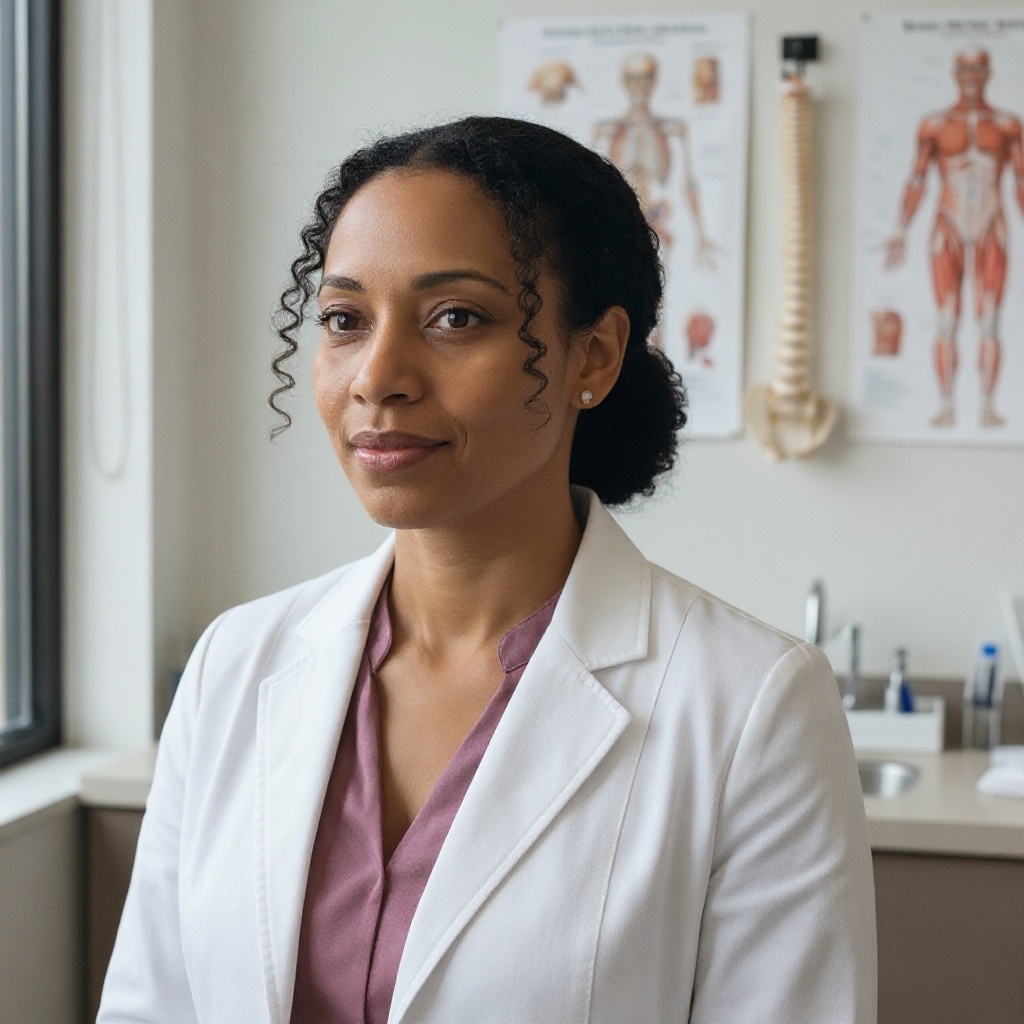
Isabelle Laurent, MD, is board-certified in both internal medicine and rheumatology. She is in private practice in New Orleans, Louisiana, where she has a special interest in treating systemic lupus erythematosus and rheumatoid arthritis in underserved communities.