Best Mattress for Sciatica: Practical Sleep Solutions for Nerve Pain
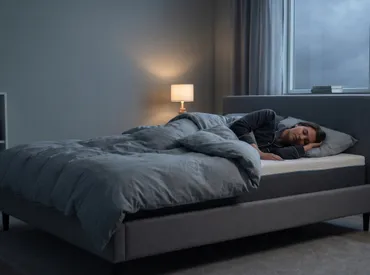
Sciatica is a debilitating nerve condition that affects approximately 40% of people in the United States at some point in their lives, turning what should be a restorative nightly ritual into a prolonged struggle with radiating pain, numbness, and sleep fragmentation. The sciatic nerve, recognized as the longest and thickest nerve in the human body, travels from the lower lumbar spine, through the gluteal region, and branches down the posterior aspect of each leg. When this nerve becomes irritated, inflamed, or compressed, even the most basic physiological processes like shifting positions during deep sleep can trigger sharp, electric-like discomfort. While medical interventions remain essential for addressing underlying pathologies such as herniated discs, spinal stenosis, or piriformis syndrome, optimizing your sleep environment is a critical, often overlooked component of comprehensive pain management. Finding the best mattress for sciatica is not merely a matter of comfort; it is a clinical necessity that directly influences spinal alignment, pressure distribution, and nighttime recovery cycles. In this comprehensive guide, we will explore the biomechanics of nerve-related sleep disruption, analyze the engineering features that separate therapeutic sleep surfaces from standard bedding, and provide evidence-based recommendations to help you reclaim uninterrupted, pain-free rest. Drawing on insights from board-certified chiropractors, licensed physical therapists, and extensive sleep medicine research, this article serves as a definitive resource for anyone seeking sustainable, long-term sciatica relief through optimized sleep ergonomics.
Understanding the Mechanics of Sciatica and Sleep Disruption
What Exactly Is Sciatica?
Contrary to common misconception, sciatica is not a standalone medical diagnosis. Rather, it is a symptomatic presentation that signals an underlying issue within the lumbosacral nerve roots. The hallmark symptom is radiating discomfort that originates in the lower back or buttocks and travels unilaterally down the posterior thigh, often extending into the calf and foot. Patients frequently describe the sensation as burning, shooting, tingling, or akin to a persistent muscle cramp. Accompanying symptoms may include localized numbness, reduced motor strength in the affected leg, and altered reflexes. The pathophysiology typically involves mechanical compression of the nerve root as it exits the intervertebral foramen. Herniated or bulging intervertebral discs, degenerative joint changes, bone spurs, and muscular hypertrophy of the piriformis muscle are among the most prevalent anatomical culprits. Understanding that sciatica is a downstream manifestation of structural or inflammatory changes is crucial when evaluating sleep surfaces, because the mattress must address both localized pressure points and global postural alignment.
Free calculatorSleep CalculatorCalculate sleep cyclesOpen the calculatorThe Neurological Pathway and Pain Generation
The sciatic nerve emerges from the L4 through S3 spinal nerve roots, forming a dense bundle that supplies motor and sensory innervation to the lower extremities. When these roots experience sustained mechanical pressure or chemical irritation from leaked nucleus pulposus material, they initiate a neuroinflammatory cascade. This process sensitizes nociceptors, lowers pain thresholds, and disrupts the normal gating mechanisms that regulate how pain signals reach the brain. During waking hours, movement and gravity distribution can temporarily alleviate symptoms, but lying down removes natural spinal loading and alters pelvic tilt. If a sleep surface lacks appropriate contouring and foundational support, the pelvis can sink excessively, increasing foraminal narrowing and further compressing already sensitized nerve roots. This creates a vicious cycle where poor sleep architecture amplifies pain perception, and heightened pain disrupts slow-wave and REM sleep stages essential for tissue repair and neurological homeostasis.
How Sleep Quality Dictates Nerve Recovery
Restorative sleep is biologically indispensable for managing chronic nerve irritation. During non-rapid eye movement (NREM) stages 3 and 4, the body engages in cellular regeneration, reduces systemic inflammation, and modulates pain-processing neurotransmitters like serotonin and endogenous opioids. Conversely, sleep deprivation or frequent micro-awakenings elevate cortisol levels, which are strongly correlated with increased pain sensitivity and prolonged recovery timelines. Research consistently demonstrates that individuals with chronic lower extremity neuropathy experience significantly improved symptom thresholds when provided with consistent, high-quality sleep. Therefore, selecting the best mattress for sciatica is not a luxury purchase; it is a foundational intervention that directly impacts your capacity to heal, tolerate physical therapy, and maintain functional mobility throughout the day.
What Makes the Best Mattress for Sciatica?
The Science Behind Medium-Firm Support
When evaluating pressure mapping studies and clinical feedback from spine specialists, a clear consensus emerges: medium-firm mattresses consistently outperform both plush and ultra-firm alternatives for nerve-related pain management. On the standardized 10-point firmness scale, models rated between 5 and 6 strike the optimal biomechanical equilibrium. Softer surfaces, while initially comfortable, often cause the heavier regions of the body—specifically the pelvis and shoulders—to sink too deeply. This excessive immersion disrupts neutral spinal alignment, forcing the lumbar spine into a hyperextended or kyphotic curve that increases disc pressure and narrows nerve exit pathways. Conversely, excessively firm surfaces lack adequate conforming capacity, creating focal pressure points at the hips and shoulders. These high-pressure zones impede local microcirculation and fail to distribute body weight evenly, which can exacerbate nerve irritation rather than alleviate it. A medium-firm profile gently cradles anatomical curves while providing a resilient foundation that prevents midsection collapse, ensuring the spine remains horizontally neutral throughout the night.
Why Hybrid Construction Dominates Clinical Recommendations
The hybrid mattress category has emerged as the gold standard in therapeutic sleep surfaces, particularly for individuals managing radiating nerve pain. Hybrids strategically combine multiple material technologies to address the multifaceted demands of spinal support. The upper comfort layers typically consist of high-density polyurethane foam, gel-infused memory foam, or natural latex. These materials excel at pressure redistribution, absorbing impact forces that would otherwise transfer directly to the sacrum and lumbar vertebrae. Beneath these cushioning layers lies a robust core of individually pocketed innerspring coils. Unlike traditional Bonnell springs, pocketed coils operate independently, providing targeted responsiveness that adapts to different body zones. This layered architecture delivers the best of both worlds: the contouring precision of foam with the dynamic lift and airflow of steel coils. Experts like Dr. Lonnie Herman emphasize that when the sciatic nerve is irritated or compressed, maintaining consistent support without excessive sinkage is paramount, making hybrid engineering particularly effective.
Essential Engineering Features for Nerve Relief
Beyond basic firmness and construction type, several advanced design elements should be prioritized when selecting a therapeutic sleep surface. First, zoned support technology represents a significant leap forward in biomechanical engineering. Zoned mattresses feature varying coil gauges or foam densities segmented into distinct regions—typically firmer in the center third to reinforce the lumbar spine and hips, with softer zones at the head and foot to accommodate lighter anatomical areas. This differential support prevents the hips from dropping below shoulder level, maintaining proper pelvic alignment. Second, edge reinforcement is critical for individuals with mobility limitations or nerve-related weakness. Reinforced perimeters prevent the mattress from collapsing when sitting or rolling to the edge, reducing the effort required to enter and exit the bed and minimizing sudden spinal torque. Third, temperature regulation plays an unexpectedly vital role in pain management. Heat amplifies neuroinflammation and disrupts deep sleep cycles. Models incorporating phase-change materials, breathable knit covers, and ventilated coil channels promote convective heat dissipation, keeping the sleep microclimate cool and stable. Finally, responsive transition layers that bridge the comfort foam and support core prevent the "stuck" sensation that can make nighttime repositioning painful and difficult for sciatica sufferers.
Evaluating Top Mattress Categories for Sciatica Sufferers
Best Overall and Clinical-Grade Options
The market has evolved significantly, with manufacturers now designing sleep surfaces specifically tailored to chronic musculoskeletal and neurological conditions. Among the most consistently recommended models by sleep clinicians and orthopedic specialists are the Saatva Classic and the Luxury Firm WinkBed. The Saatva Classic utilizes a dual-coil innerspring hybrid design with targeted lumbar zone reinforcement, allowing sleepers to select from multiple firmness options to match their exact weight distribution and spinal curvature. The WinkBed similarly emphasizes balanced cushioning over zoned coils, delivering exceptional lumbar support without sacrificing surface comfort. For individuals requiring specialized medical-grade construction, the Saatva Rx stands out as a clinical hybrid engineered specifically for those with chronic back and joint conditions. It features a reinforced support grid and enhanced edge integrity, making it ideal for heavier individuals or those with severe mobility constraints who need a durable, highly responsive foundation.
Optimal Choices by Sleep Position and Budget
Side sleepers with sciatica face unique biomechanical challenges. Because they bear weight primarily on the hips and shoulders, pressure mapping is highly concentrated in a small surface area. Models like the Helix Dusk Luxe and Nolah Evolution 15 incorporate plush pillow tops or proprietary pressure-relieving foam blends that allow controlled immersion for the shoulders while maintaining lateral pelvic alignment. The Helix Midnight Luxe variant is particularly noted for its adaptive zoning and medium-firm profile, which prevents hip drop while cushioning the nerve-dense gluteal region. Back sleepers benefit from models that prioritize uniform lumbar cradling without excessive sinkage. The DreamCloud Hybrid offers exceptional value in this category, combining dense memory foam with a sturdy coil base to maintain a neutral spinal curve at an accessible price point. For those who prioritize natural materials and chemical-free construction, the Avocado Green Mattress utilizes GOTS-certified organic latex and cotton covers, providing resilient, breathable support that resists long-term sagging and aligns with holistic pain management philosophies.
Comparative Analysis of Leading Models
The following table synthesizes key performance metrics across top-rated sleep surfaces for nerve pain, helping you align product features with individual biomechanical needs:
| Category | Model | Construction | Key Therapeutic Feature |
|---|---|---|---|
| Best Overall | Saatva Classic | Dual-coil hybrid | Customizable firmness with zoned lumbar reinforcement |
| Best Overall Alternative | Helix Dusk Luxe | Hybrid + pillow top | Medium-firm balance with targeted pressure mapping |
| Best Overall (Expert Rated) | Luxury Firm WinkBed | Multi-layer hybrid | Superior lumbar support with motion isolation |
| Best Value | DreamCloud Hybrid | Memory foam + coils | Affordable medium-firm core with dense transitional foam |
| Best for Side Sleepers | Nolah Evolution 15 | AirFoam hybrid | Deep pressure relief at hips/shoulders without pelvic sink |
| Best Memory Foam | Saatva Loom Leaf / Amerisleep AS3 | High-density foam | Conforming support that maintains spinal neutrality |
| Best Pressure Relief | Purple Restore Hybrid | Grid polymer + coils | Hyper-elastic gel grid prevents focal nerve compression |
| Best Cooling | Leesa Sapira Chill Hybrid | Cooling foam + coils | Advanced thermal regulation for uninterrupted sleep cycles |
| Best Clinical/Luxury | Saatva Rx | Medical hybrid | Engineered for chronic musculoskeletal conditions |
| Best Organic | Avocado Green Mattress | Latex + coils | Natural materials with responsive, durable support |
Selecting the appropriate model depends heavily on individual anatomy, pain severity, and preferred sleep posture. Consulting comparative databases from authoritative platforms like the Sleep Foundation and Healthline can provide additional validation, as these organizations utilize standardized testing protocols involving pressure mapping, edge retention, and thermal imaging across thousands of models. For detailed expert reviews and comparative testing methodologies, refer to resources such as the Sleep Foundation and Healthline's Complete Guide.
Sleep Position Ergonomics and Mattress Compatibility
Side Sleeping and Hip-Shoulder Alignment
Side sleeping is the most common sleep posture and often the most recommended for lower back and nerve pain, provided the correct support system is in place. When lying on your side, gravity naturally pulls the upper hip downward, which can rotate the pelvis and twist the lumbar spine if the mattress is too firm or too soft. A medium-firm hybrid with a responsive comfort layer allows the shoulder to sink slightly while keeping the pelvis aligned with the ribcage. This prevents lateral spinal curvature and reduces tension on the piriformis muscle, which frequently compresses the sciatic nerve in lateral positions. Additionally, side sleepers should prioritize mattresses with robust shoulder zoning to prevent nerve impingement in the brachial plexus while maintaining lower back integrity.
Back Sleeping and Lumbar Support Dynamics
Back sleeping distributes body weight most evenly across the sleep surface, making it ideal for maintaining a neutral spinal curve. However, it also allows the lower back to arch excessively if the mattress lacks adequate lumbar reinforcement. The best mattress for sciatica must provide gentle cradling at the small of the back to prevent hyperlordosis, which increases disc pressure and narrows intervertebral foramina. Models with zoned coil systems or targeted memory foam inserts excel in this posture by lifting the midsection just enough to counteract gravitational pull while allowing the head, neck, and legs to rest naturally. Back sleepers should also consider the mattress's responsiveness, as frequent micro-adjustments can disrupt spinal alignment if the surface lacks adequate recoil.
Stomach Sleeping Considerations
Stomach sleeping is generally discouraged for individuals with sciatica due to the extreme lumbar extension it necessitates. Lying prone forces the lower spine into an exaggerated curve, compressing posterior facet joints and increasing mechanical stress on the L4-S1 nerve roots. If stomach sleeping is unavoidable due to medical conditions or sleep apnea, selecting an ultra-firm surface with minimal contouring is essential to prevent the abdomen from sinking too deeply. However, most clinical guidelines recommend transitioning to side or back sleeping, utilizing body pillows or positional wedges to gradually retrain sleep habits. The Purple Restore Hybrid is occasionally recommended for this posture due to its rigid polymer grid, which prevents abdominal collapse and reduces spinal torque, though it remains a secondary option compared to anatomically neutral sleeping positions.
Complementary Sleep Strategies for Long-Term Sciatica Management
Strategic Pillow Placement and Spinal Decompression
A mattress alone cannot optimize spinal alignment without auxiliary ergonomic support. Strategic pillow placement is a simple yet highly effective intervention for reducing sciatic nerve tension. Side sleepers should place a firm, contoured pillow between the knees. This maintains pelvic neutrality, prevents the top leg from pulling the spine into rotation, and reduces compressive forces on the sacroiliac joint. Back sleepers benefit significantly from placing a wedge or medium-density pillow beneath the knees, which gently flexes the hips, flattens the lumbar curve against the mattress, and decreases intradiscal pressure. For stomach sleepers, a thin pillow beneath the pelvis can partially counteract lumbar hyperextension. The key is ensuring the pillow density matches the mattress firmness; a plush pillow on a firm bed may fail to provide adequate spacing, while an overly firm pillow on a soft surface can create new pressure points.
Temperature Regulation and Microclimate Control
Neuropathic pain is highly sensitive to thermal fluctuations. Elevated body temperature increases blood flow to inflamed tissues, which can intensify throbbing nerve sensations and trigger night sweats that fragment sleep architecture. Modern hybrid mattresses address this through multi-layered thermal management. Gel-infused memory foams absorb and dissipate conductive heat, while open-cell foam structures and ventilated coil channels promote continuous airflow. Phase-change covers actively regulate surface temperature by absorbing excess body heat during the initial sleep cycle and releasing it as the ambient room temperature drops. Maintaining a bedroom environment between 60-67°F (15-19°C) further supports thermoregulation. Combining a cooling mattress with breathable, moisture-wicking linens creates a stable microclimate that minimizes sympathetic nervous system activation, allowing the body to enter deep restorative sleep without thermal interruption.
Maintenance, Replacement Cycles, and Trial Periods
Even the highest-quality sleep surfaces degrade over time. Polyurethane foams experience polymer breakdown, steel coils lose tensile strength, and transitional layers compress, leading to localized sagging that compromises spinal support. Most manufacturers recommend replacing mattresses every 7 to 10 years, but sciatica sufferers should monitor their sleep surface more closely. Visible indentations exceeding one inch, increased morning stiffness, or a sudden return of radiating pain are clear indicators that the mattress has lost its therapeutic efficacy. When investing in a new sleep system, prioritize brands offering sleep trials of 100 nights or longer. Nerve adaptation and material break-in periods typically require 30 to 45 days of consistent use before the body fully registers the alignment benefits. Longer trials also allow you to evaluate the mattress across different seasons, as ambient temperature and humidity can alter foam responsiveness. Always review warranty terms, focusing on sagging depth thresholds and pro-rated replacement clauses to protect your investment.
Integrating Sleep Support with Comprehensive Medical Care
The Limits of Sleep Surface Intervention
It is crucial to establish a clear clinical boundary: a mattress is a supportive tool, not a medical treatment. While the best mattress for sciatica can significantly reduce nocturnal pain, improve sleep architecture, and facilitate daytime mobility, it cannot resolve structural abnormalities such as severe disc herniation, spinal canal stenosis, or tumor-related nerve compression. Sciatica is a symptom of underlying pathology, and sustainable relief requires a multidisciplinary approach. Relying exclusively on sleep optimization without addressing root causes can lead to disease progression, chronic central sensitization, and permanent neurological deficits. Patients should view mattress selection as one pillar within a broader therapeutic framework that includes medical evaluation, diagnostic imaging, and targeted rehabilitation.
Collaborating with Physical Therapists and Chiropractors
Working closely with licensed physical therapists and board-certified chiropractors provides the clinical oversight necessary to align sleep ergonomics with active treatment protocols. Physical therapists utilize gait analysis, range-of-motion testing, and functional movement screens to identify compensatory patterns that contribute to nerve irritation. They can recommend specific mattress firmness levels based on your body mass index, tissue density, and muscular imbalances. Chiropractic care focuses on joint mobilization, spinal manipulation, and postural retraining, often revealing how mattress-induced misalignment exacerbates subluxations or facet joint inflammation. Expert verification from professionals like Dr. Bo Babenko, DPT, and Dr. Hannah Habeeb, DPT, underscores the importance of matching sleep surfaces to individualized biomechanical profiles. Always share your mattress specifications with your care team so they can adjust exercise prescriptions and manual therapy techniques accordingly.
Movement, Stretching, and Nerve Flossing Protocols
Active movement is the most powerful catalyst for sciatica recovery. Prolonged static positioning, whether sitting at a desk or lying on a supportive mattress, can cause adhesions to form around the sciatic nerve, restricting gliding motion and increasing friction during daily activities. Nerve flossing, also known as neural gliding, involves gentle, controlled movements that encourage the sciatic nerve to slide freely through surrounding tissues without tension. Combined with targeted stretches for the hamstrings, piriformis, and hip flexors, these protocols restore tissue elasticity and reduce mechanical compression. Resources from established physical therapy channels on platforms like YouTube provide excellent visual demonstrations of safe, evidence-based techniques. For instance, educational content from Bob and Brad and Ask Doctor Jo offers practical, routines that complement optimal sleep surfaces. Always perform these exercises under professional guidance initially to ensure proper form and avoid aggravating sensitive nerve roots. For additional authoritative guidance on integrating sleep support with clinical care, consult comprehensive reviews from Forbes Vetted and Mattress Clarity.
Frequently Asked Questions
What firmness level is ideal for sciatica relief?
Medium-firm mattresses, typically rated between 5 and 6 on a 10-point scale, are widely recommended. This level provides the optimal balance of pressure relief for the hips and shoulders while maintaining firm lumbar support to keep the spine in a neutral alignment during sleep.
Is memory foam or a hybrid mattress better for sciatica?
Hybrid mattresses are generally considered superior for sciatica because they combine the contouring pressure relief of foam or latex with the responsive support of pocketed coils. This construction prevents excessive sinkage, maintains proper spinal alignment, and reduces pressure on the sciatic nerve roots.
How long should a mattress trial period be when shopping for sciatica?
A trial period of at least 100 nights is strongly recommended. Nerve adaptation, spinal alignment adjustment, and true pressure relief assessment typically take several weeks. Longer trials allow you to evaluate the mattress across different sleep cycles and seasonal temperature changes.
Does a mattress cure sciatica, or just manage symptoms?
A mattress cannot cure sciatica. It serves as a foundational support tool that reduces nighttime nerve compression, improves sleep quality, and prevents symptom aggravation. Comprehensive management requires combining proper sleep surfaces with physical therapy, targeted exercise, and medical guidance.
How often should you replace a mattress if you have sciatica?
Most mattresses should be replaced every 7 to 10 years, but sciatica sufferers may need to upgrade sooner if they notice visible sagging, loss of lumbar support, or increased morning pain. Degradated materials compromise spinal alignment and negate the therapeutic benefits of a supportive sleep surface.
Conclusion
Navigating chronic nerve pain requires a holistic approach that bridges clinical intervention, biomechanical optimization, and daily lifestyle habits. While no single sleep surface can eradicate the complex pathophysiology of sciatica, selecting the best mattress for sciatica establishes a critical foundation for nighttime recovery and pain modulation. Medium-firm hybrid constructions with zoned support, responsive transition layers, and advanced thermal regulation consistently outperform traditional models by maintaining neutral spinal alignment, distributing pressure evenly across sensitive nerve pathways, and facilitating uninterrupted deep sleep. By combining evidence-based mattress selection with strategic pillow placement, targeted physical therapy, and professional medical oversight, individuals can significantly reduce radiating symptoms, improve daytime functionality, and reclaim control over their sleep environment. Remember to prioritize extended trial periods, monitor material degradation, and integrate sleep ergonomics into a broader rehabilitation plan. With the right support system in place, restful, restorative sleep becomes an achievable reality rather than a distant aspiration, paving the way for sustained neurological healing and long-term musculoskeletal health.
Disclaimer: The information provided should not be considered a substitute for medical advice. Sciatica can result from various underlying conditions (herniated disc, spinal stenosis, piriformis syndrome). Consult a healthcare professional for personalized diagnosis and treatment recommendations.
How we work
Researched and drafted with AI assistance, then reviewed by a human editor against the cited sources.
This article is general health information, not medical advice. Consult a qualified healthcare professional about your own situation.