Bentonite Clay Mask: Science, Safety & Usage Guide

For centuries, civilizations across the globe have harnessed the purifying power of earth-derived minerals to cleanse, soothe, and revitalize the skin. Among these ancient botanical remedies, volcanic ash-derived formulations have undergone extensive modern clinical scrutiny, emerging as one of the most effective tools in contemporary dermatological care. Today, a bentonite clay mask represents a scientifically validated intersection of geological mineralogy and advanced skincare formulation. When applied topically, these masks leverage complex electrochemical mechanisms to draw out surface impurities, regulate lipid production, and support a healthier cutaneous microenvironment. Despite its widespread commercialization and viral social media popularity, many consumers remain unaware of the precise biochemical actions, safety parameters, and evidence-based protocols that govern its optimal use. Understanding the underlying science is essential for maximizing therapeutic outcomes while minimizing the risk of barrier compromise, contact dermatitis, or over-drying. This comprehensive guide explores the mineral composition, clinical benefits, regulatory status, and application strategies to ensure you can integrate this powerful skincare modality into your routine safely and effectively.
The Science Behind Bentonite Clay: Mineralogy and Skin Interaction
At its core, bentonite clay is a naturally occurring aluminum phyllosilicate mineral belonging to the smectite family. Its primary active component is montmorillonite, a compound characterized by a distinctive 2:1 TOT (Tetrahedra-Octahedra-Tetrahedra) layered crystalline structure. This microscopic architecture consists of two silica tetrahedral sheets sandwiching a central alumina octahedral sheet. What makes montmorillonite exceptionally valuable for topical skincare is its expansive interlayer spacing and weak negative electrical charges, which are naturally neutralized by exchangeable cations such as sodium or calcium. When exposed to aqueous solutions, these layers hydrate and separate, allowing the material to swell dramatically—often expanding up to eight times its original volume. This remarkable physical property is not merely geological trivia; it is the foundational mechanism that enables the clay to function as a potent dermal cleanser.
Understanding Montmorillonite and the Smectite Group
The formation of montmorillonite-rich deposits typically occurs through the prolonged weathering of volcanic ash and tuff in marine or hydrothermal environments. Over millennia, the interaction of silicate minerals with water and trace elements creates a highly porous, platy grain structure with an extraordinarily high surface area-to-mass ratio. This microscopic topography translates directly to clinical efficacy, as the vast surface area provides abundant binding sites for environmental toxins, excess lipids, and microbial byproducts. The geological origin ensures that naturally sourced bentonite contains trace minerals like magnesium, potassium, and calcium, which can offer secondary nutritional benefits to the epidermal surface when properly purified. Cosmetic-grade processing further refines these raw materials by removing coarse particulates, crystalline silica, and potential heavy metal contaminants, ensuring the final product meets stringent dermatological safety standards. You can explore the detailed geological formation and industrial applications at Wikipedia - Bentonite.
Adsorption vs. Absorption: How Impurities Are Drawn from the Pore
One of the most frequently misunderstood concepts in clay mask science is the distinction between adsorption and absorption. Bentonite clay excels at both, operating simultaneously through complementary physicochemical pathways. Absorption refers to the clay’s ability to draw fluids, sebum, and water-soluble impurities deep into its porous internal matrix, much like a sponge. Adsorption, however, occurs on a molecular surface level. The negatively charged clay platelets actively attract and bind positively charged molecules, including heavy metals, bacterial endotoxins, oxidized sebum, and environmental particulate matter. This electrostatic attraction is particularly effective at the follicular ostia, where clogged pores often harbor positively charged inflammatory mediators. By neutralizing and physically extracting these compounds, a well-formulated bentonite clay mask helps decongest the pilosebaceous unit, reducing the substrate available for pathogenic proliferation.
Ion Exchange and the Skin’s Electrostatic Environment
Beyond simple physical extraction, bentonite clay participates in dynamic ion exchange processes with the cutaneous surface. As the clay hydrates, loosely bound calcium and sodium ions are released into the surrounding medium, potentially interacting with the skin’s extracellular fluid. While clinical research on direct dermal ion exchange is still evolving, dermatological consensus suggests that this cationic modulation may subtly influence local microbial ecology and inflammatory cascades. The clay’s naturally alkaline profile also temporarily elevates the surface pH, creating an inhospitable environment for acid-loving pathogenic bacteria that thrive in compromised barriers. However, this same mechanism underscores the importance of post-treatment pH restoration, which will be detailed in the application guidelines. For those interested in deeper mineralogical and biochemical interactions, the Cosmetic Ingredient Review (CIR) - Safety Assessment of Bentonite, Hectorite, Kaolin, and Montmorillonite provides comprehensive toxicological data.
Clinically Supported Dermatological Benefits
The therapeutic utility of a bentonite clay mask extends far beyond traditional pore cleansing. Controlled laboratory studies and clinical dermatological assessments consistently document several evidence-based outcomes that justify its inclusion in targeted skincare regimens. These benefits are particularly pronounced for individuals struggling with congested pores, dysregulated lipid production, and mild inflammatory cutaneous conditions.
Regulating Sebum Production and Minimizing Pore Appearance
Excessive sebum secretion remains one of the primary drivers of acne vulgaris, follicular congestion, and the dreaded shiny complexion. Bentonite clay demonstrates a proven capacity to normalize surface lipid levels without stripping the epidermis of essential barrier components. Its absorptive matrix rapidly captures free-flowing triglycerides and squalene, while the adsorptive properties bind to oxidized lipids that often trigger comedogenesis. As the clay dries and undergoes gentle contraction, it exerts a temporary mechanical tightening effect on the stratum corneum. This physical tension temporarily compresses dilated follicular openings, creating the immediate visual illusion of refined pore size. With consistent, measured use, the reduction in chronic inflammation and lipid oxidation leads to a sustained improvement in pore clarity and overall skin texture.
Broad-Spectrum Antimicrobial and Antifungal Action
The antimicrobial efficacy of bentonite clay has been rigorously documented in peer-reviewed literature. Research published in the Journal of Antimicrobial Chemotherapy by Williams et al. demonstrated that certain smectite-group minerals exhibit inhibitory activity against multidrug-resistant pathogens, including Staphylococcus aureus, Escherichia coli, Pseudomonas aeruginosa, and Candida albicans. The antibacterial mechanism is multifaceted: the clay’s alkaline pH creates an unfavorable microenvironment for many gram-negative and gram-positive bacteria, while its adsorptive capacity physically sequesters bacterial cell walls and virulence factors. Additionally, trace mineral content can interfere with microbial metabolic pathways. These findings suggest that a bentonite clay mask may serve as a valuable adjunctive therapy in managing mild folliculitis and preventing secondary infections in acne-prone individuals. You can verify peer-reviewed antimicrobial data through the National Center for Biotechnology Information (NCBI) / PubMed.
Soothing Properties and Barrier Support
Contrary to the misconception that all clays are inherently harsh, properly formulated bentonite exhibits notable soothing characteristics when paired with complementary ingredients. Clinical trials evaluating hybrid formulations combining bentonite with aloe vera gel, colloidal oatmeal, or allantoin report significant reductions in erythema, pruritus, and transepidermal water loss in subjects with mild contact dermatitis. The clay’s fine particulate structure also provides exceptionally gentle mechanical exfoliation upon rinsing, effortlessly removing desquamated corneocytes without inducing microtears. This dual action of impurity extraction coupled with physical polishing promotes a smoother epidermal surface while maintaining stratum corneum integrity. The U.S. FDA - Cosmetic Ingredients regulatory framework recognizes these benefits, classifying purified bentonite as a safe and effective topical agent when manufactured according to Good Manufacturing Practices.
Safety Profile, Regulatory Status, and Grade Differentiation
While the therapeutic potential of bentonite clay is well-established, its safe implementation hinges on rigorous quality control and adherence to dermatological guidelines. Misapplication, contaminated sourcing, or improper formulation can transform a beneficial treatment into a source of significant cutaneous distress.
FDA Recognition and Cosmetic Ingredient Review Findings
Regulatory oversight of cosmetic clays in the United States is primarily managed through the FDA’s Office of Cosmetics and the independent Cosmetic Ingredient Review (CIR) Expert Panel. The CIR has comprehensively evaluated bentonite, hectorite, kaolin, and montmorillonite, concluding that these minerals are safe as used in cosmetic formulations. In their 2014 final report, the panel stated: "Based on the available animal and clinical data, the CIR Expert Panel concluded that Bentonite, Hectorite, Kaolin, and Montmorillonite are safe as used in cosmetic formulations." The FDA further recognizes pharmaceutical-grade bentonite as GRAS (Generally Recognized As Safe) for specific topical and internal applications, reinforcing its extensive safety margin. These evaluations encompass decades of toxicological screening, ensuring that compliant products do not induce systemic toxicity, carcinogenicity, or reproductive harm when applied topically.
The Critical Difference Between Cosmetic and Industrial Grades
Not all bentonite is created equal. The market contains varying grades of clay, ranging from highly purified pharmaceutical standards to raw industrial excavations intended for drilling mud, foundry sand, or landscaping applications. Cosmetic and pharmaceutical grades undergo intensive purification processes, including washing, micronization, heavy metal chelation, and microbial sterilization. These steps remove dangerous contaminants such as lead, arsenic, cadmium, and respirable crystalline silica, which are frequently present in industrial or geological raw materials. Applying unrefined industrial clay to facial skin poses a genuine risk of heavy metal absorption, mechanical abrasion, and severe contact dermatitis. Consumers must verify product labels for certifications like "cosmetic grade," "pharmaceutical grade," or "USP/EP compliant" to guarantee dermatological safety.
Contraindications and Risk Mitigation
Despite its favorable safety profile, a bentonite clay mask carries specific contraindications that require careful patient education. The clay should never be applied to actively broken skin, open wounds, severe cystic acne, or recent post-procedure areas, as the adsorptive mechanism can disrupt natural healing cascades and introduce particulate matter into the dermis. Individuals with rosacea, atopic dermatitis, or severely compromised skin barriers should exercise extreme caution or avoid use altogether, as the alkaline pH and desiccating properties can exacerbate erythema and transepidermal water loss. Additionally, concurrent use with potent topical retinoids, alpha/beta hydroxy acids, or prescription benzoyl peroxide on the same day significantly increases the risk of chemical burns and barrier disruption. Always perform a 24-hour patch test on the inner forearm or behind the ear before full-face application, particularly if you have a history of cosmetic sensitivities.
Evidence-Based Application Protocols
Optimizing the therapeutic benefits of a bentonite clay mask requires strict adherence to scientifically validated application parameters. Deviating from established frequency, contact duration, or mixing protocols can negate efficacy and trigger adverse dermatological responses.
Optimal Frequency and Contact Duration
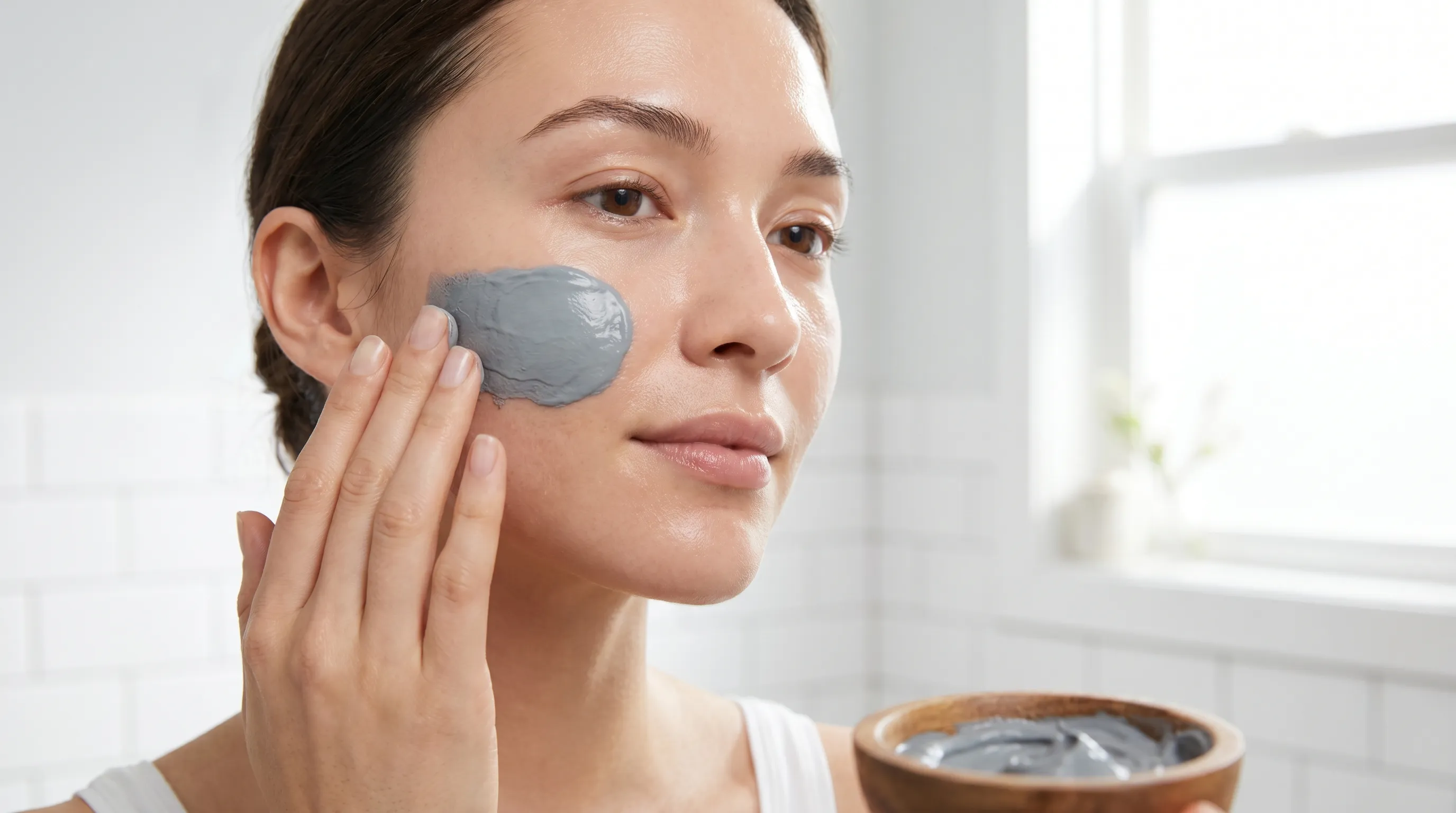
Dermatological consensus recommends limiting use to one or two times weekly for normal, combination, and oily skin phenotypes. Individuals with dry, dehydrated, or sensitive skin should reduce frequency to once weekly or every other week, monitoring closely for signs of barrier compromise. The ideal contact duration ranges from 10 to 15 minutes. A critical misconception in the beauty community is the belief that allowing a clay mask to fully crack, flake, and completely desiccate enhances its efficacy. In reality, complete dehydration triggers excessive osmotic pressure, pulling essential lipids and natural moisturizing factors from the stratum corneum and significantly increasing irritation risk. The mask should be rinsed while still slightly damp on the edges to preserve barrier integrity while still achieving full adsorptive saturation.
Proper Mixing Mediums and Material Selection
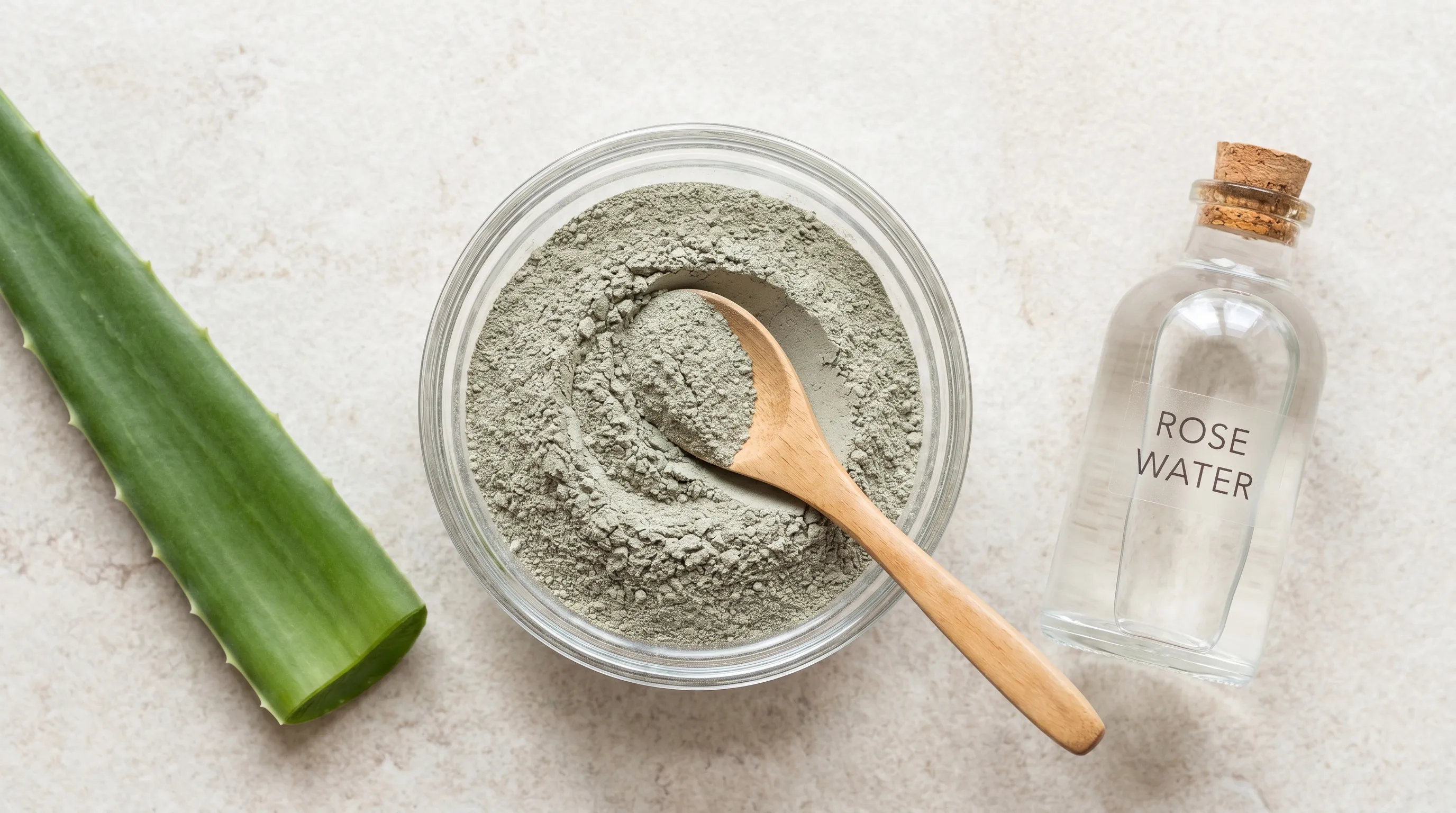
The hydration medium profoundly influences the final pH, spreadability, and electrochemical activity of the clay. Distilled water remains the most neutral and widely accessible option, yielding a classic, fast-setting consistency. Many skincare experts recommend diluting raw bentonite with organic apple cider vinegar (typically at a 1:1 ratio) to partially neutralize the high alkalinity and introduce acetic acid for mild exfoliation. Alternatively, hydrosols like rose water, chamomile, or green tea can be used to infuse antioxidant and anti-inflammatory phytochemicals directly into the formulation. Crucially, all mixing must occur in non-reactive vessels. Metal bowls, spoons, or wire whisks should never be used, as the free metal ions will immediately neutralize the clay’s negative charge, rendering it chemically inert. Always utilize glass, ceramic, silicone, or wooden implements.
Post-Treatment Skincare and Acid Mantle Restoration
Following the rinse phase, the skin’s surface typically exhibits an elevated pH and temporarily heightened transepidermal water loss. The immediate next step in an evidence-based protocol is pH restoration. Applying a mildly acidic, alcohol-free toner or a diluted apple cider vinegar mist (1 part vinegar to 4 parts water) helps recalibrate the acid mantle to its optimal 4.5–5.5 range. This acidic environment re-establishes microbial balance and enhances the penetration of subsequent hydrating agents. Immediately follow toner application with a ceramide-rich, non-comedogenic moisturizer containing humectants like glycerin, hyaluronic acid, or squalane. Avoid applying active serums, vitamin C, or chemical exfoliants within 24 hours post-treatment to allow the barrier to fully recalibrate.
Comparative Analysis: Bentonite vs. Other Therapeutic Clays
Selecting the appropriate clay formulation requires understanding how bentonite compares to other dermatologically utilized minerals. Each variety possesses distinct mineralogical compositions, particle sizes, and adsorptive profiles tailored to specific cutaneous phenotypes.
| Clay Type | Primary Mineral | Adsorptive Strength | Skin Compatibility | Best Clinical Use |
|---|---|---|---|---|
| Bentonite | Montmorillonite | Very High | Oily, Congested, Acne-Prone | Deep pore cleansing, excess sebum regulation, antimicrobial support |
| Kaolin | Hydrous Aluminum Silicate | Low to Moderate | Sensitive, Dry, Mature | Gentle impurity removal, soothing, barrier-friendly cleansing |
| French Green | Illite/Montmorillonite Blend | High | Normal to Oily | Toning, mild exfoliation, improved microcirculation |
| Rhassoul | Magnesium Stearate Silicate | Moderate | All Types, Including Dry | Softening, hydration retention, non-drying purification |
Selecting the Ideal Formulation for Your Dermatological Profile
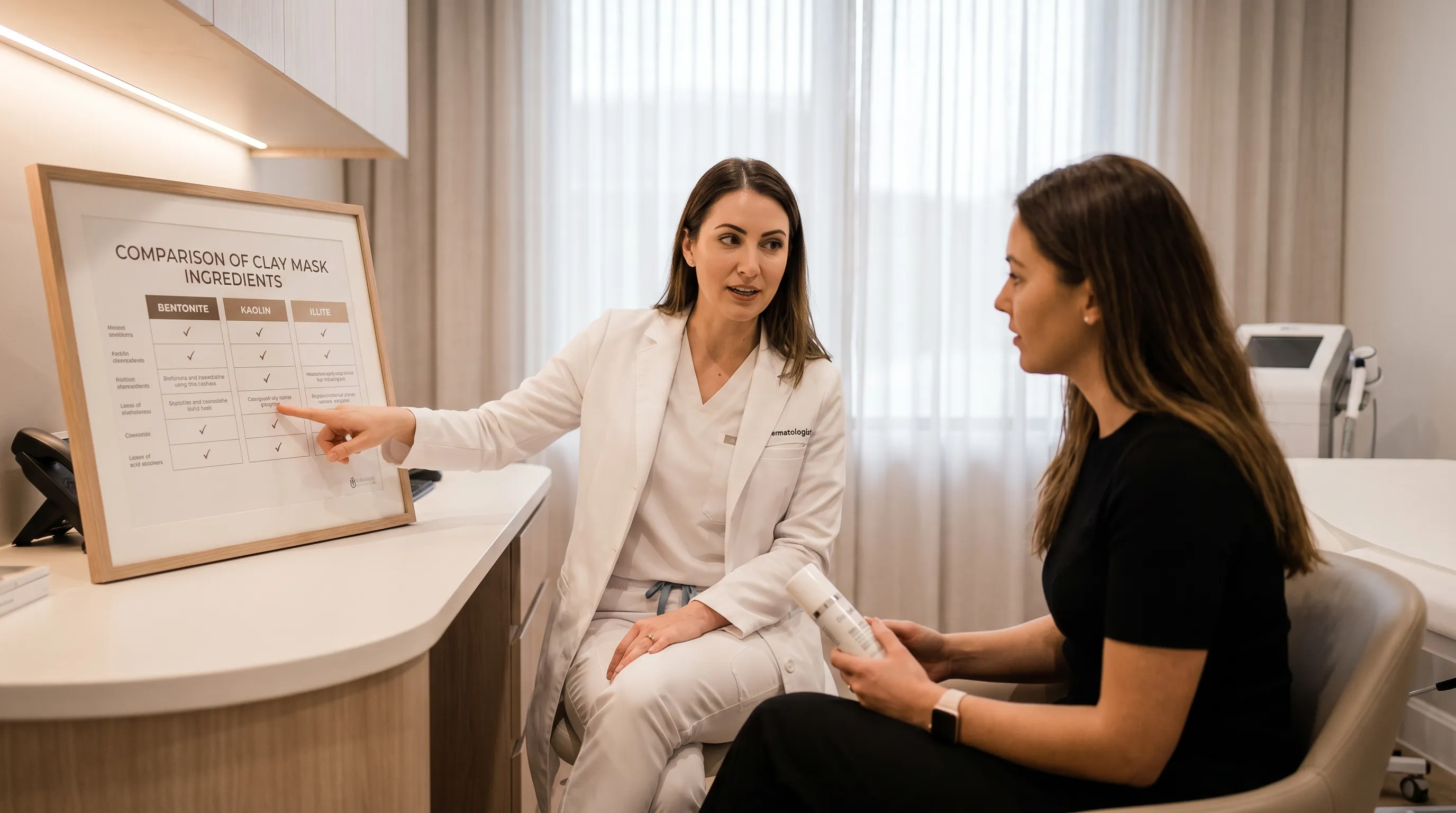
The comparative data highlights why a bentonite clay mask is uniquely positioned for individuals managing chronic hyperseborrhea, blackheads, and inflammatory acne. However, those with rosacea, perioral dermatitis, or severely dry skin may find kaolin or rhassoul clay more appropriate due to their gentler desiccating properties. Combining bentonite with soothing agents like colloidal oatmeal or panthenol can bridge the gap, allowing sensitive skin types to experience moderate pore-clearing benefits without triggering flare-ups. Always cross-reference ingredient lists with your specific dermatological needs and consult a licensed esthetician or dermatologist when navigating complex skin conditions.
DIY Preparations Versus Commercial Formulations
The decision between compounding a homemade mixture and purchasing a pre-formulated product involves weighing efficacy, stability, and convenience.
The Advantages of At-Home Compounding
DIY bentonite clay mask preparation offers unparalleled control over ingredient purity and customization. By sourcing high-quality, cosmetic-grade powder, consumers can eliminate synthetic preservatives, artificial fragrances, and unnecessary emulsifiers that frequently trigger allergic contact dermatitis. At-home formulations allow for precise pH adjustment, enabling users to integrate personalized hydrosols, essential oils, or botanical extracts tailored to their immediate skin concerns. This approach is highly cost-effective and environmentally sustainable when utilizing minimal, recyclable packaging. However, the primary drawback lies in stability; homemade mixtures lack broad-spectrum preservatives, meaning they must be used immediately and never stored, as aqueous environments rapidly cultivate bacterial and fungal colonies.
What to Look for in Pre-Mixed Skincare Products
Commercial bentonite clay masks undergo rigorous stability testing, emulsification, and preservation protocols to ensure microbiological safety and shelf-life consistency. Reputable brands formulate these products with optimized rheology (spreadability), preventing rapid cracking and uneven application. When selecting a commercial bentonite clay mask, scrutinize the ingredient deck for supportive actives like niacinamide, centella asiatica, tea tree oil, or zinc PCA, which amplify the clay’s natural antimicrobial and barrier-supporting capabilities. Avoid products listing denatured alcohol, synthetic microbeads, or heavy fragrance blends high on the ingredient list. Prioritize brands that disclose third-party testing results, heavy metal screening certifications, and dermatological patch testing documentation to guarantee clinical safety.
Frequently Asked Questions
How often should I use a bentonite clay mask?
For normal to oily skin types, applying a bentonite clay mask one to two times per week is clinically recommended. Those with dry, sensitive, or eczema-prone skin should limit use to once weekly or every other week to prevent barrier disruption and excessive dryness.
Can bentonite clay clog pores or cause breakouts?
Bentonite clay is highly comedone-free and actually helps clear impurities from pores through adsorption and absorption. However, leaving it on too long or using it alongside harsh actives can compromise the skin barrier, potentially triggering rebound oil production or irritation that resembles breakouts.
Why should I avoid metal utensils when mixing bentonite clay?
Bentonite clay carries a strong negative electrical charge that drives its adsorptive capabilities. Metal bowls, spoons, or whisks contain positive ions that can neutralize the clay’s electrical field, significantly reducing its efficacy. Always mix with glass, ceramic, or wood.
Is it safe to use a bentonite clay mask while on prescription acne treatments?
No. Using a bentonite clay mask concurrently with topical retinoids, benzoyl peroxide, or prescription chemical exfoliants can cause severe barrier disruption and irritation. It is best to space out treatments and consult a board-certified dermatologist before combining therapies.
What is the ideal pH balance for a clay mask application?
Bentonite clay naturally has an alkaline pH ranging from 8.5 to 9.5, while healthy skin maintains a slightly acidic acid mantle around 4.5 to 5.5. To maintain barrier health, follow clay mask rinsing with a gentle, pH-balancing toner or diluted apple cider vinegar rinse to restore optimal skin acidity.
Conclusion
Integrating a bentonite clay mask into your skincare regimen offers a scientifically validated approach to managing excess sebum, reducing follicular congestion, and supporting a balanced cutaneous microbiome. Its unique montmorillonite structure enables powerful adsorptive and absorptive capabilities, effectively drawing out environmental pollutants and surface impurities while delivering mild antimicrobial and soothing benefits. However, maximizing these therapeutic outcomes requires strict adherence to evidence-based application guidelines, careful product sourcing, and mindful attention to skin barrier physiology. By respecting optimal contact times, avoiding reactive mixing tools, prioritizing cosmetic-grade purity, and following proper pH-restorative post-care, users can safely harness the purifying potential of this ancient mineral. Whether utilized as a targeted weekly treatment or incorporated into a professionally formulated clinical mask, bentonite clay remains a cornerstone of modern, skincare when applied with precision and respect for cutaneous biology.
How we work
Researched and drafted with AI assistance, then reviewed by a human editor against the cited sources.
This article is general health information, not medical advice. Consult a qualified healthcare professional about your own situation.